Bathroom Tile: The Complete Guide
Introduction: Why bathroom tile matters
Bathroom tile is more than decorative—it's the foundation of water resistance, hygiene, and daily comfort in a bathroom. The right tile choices combine durability, ease of cleaning, and style that can evolve with trends. In this guide, a seasoned professional shares insights on materials, design, installation, and maintenance to help homeowners make informed decisions.
Tile materials: porcelain, ceramic, natural stone
Porcelain tile
Porcelain is a dense, low-porosity ceramic that performs well in wet areas. It resists staining and moisture; it is less likely to crack. Porcelain comes in a range of surfaces—from matte to high-gloss—and can be manufactured with rectified edges for seamless installations. For floors, look at a low water absorption rate (typically less than 0.5%) and a suitable PEI wear rating (3–5, with 4–5 ideal for floors with moderate to heavy use). While porcelain can be pricier than basic ceramic, its durability offsets costs in long-term maintenance.
Ceramic tile
Ceramic tile is generally more affordable and available in a wide range of colors and patterns. It is lighter than porcelain and suitable for walls and many bathroom floors that aren’t subject to heavy impact. For bathroom floors, prioritize glazed ceramic with a textured surface or a slip-resistant rating to prevent falls. Epoxy-based grouts may improve stain resistance in damp spaces, though standard cementitious grouts are more common and easier to work with.
Natural stone and other options
Natural stone such as marble, travertine, or slate adds timeless beauty and unique veining, but it requires additional care. Stone is more porous and can stain if not sealed properly; sealing frequency varies by stone type and use. Expect more maintenance: routine cleaning with pH-neutral products, periodic resealing (often annually or every few years), and careful avoidance of acidic cleaners that can etch stone. For wet zones, pairing stone with porcelain or ceramic accents provides both character and longevity. Glass tiles offer bright reflections and bold accents but can be slippery when used on floors; they excel as backsplashes or shower niches when installed with proper substrate and grout choices.
Design considerations: color, pattern, size, and layout
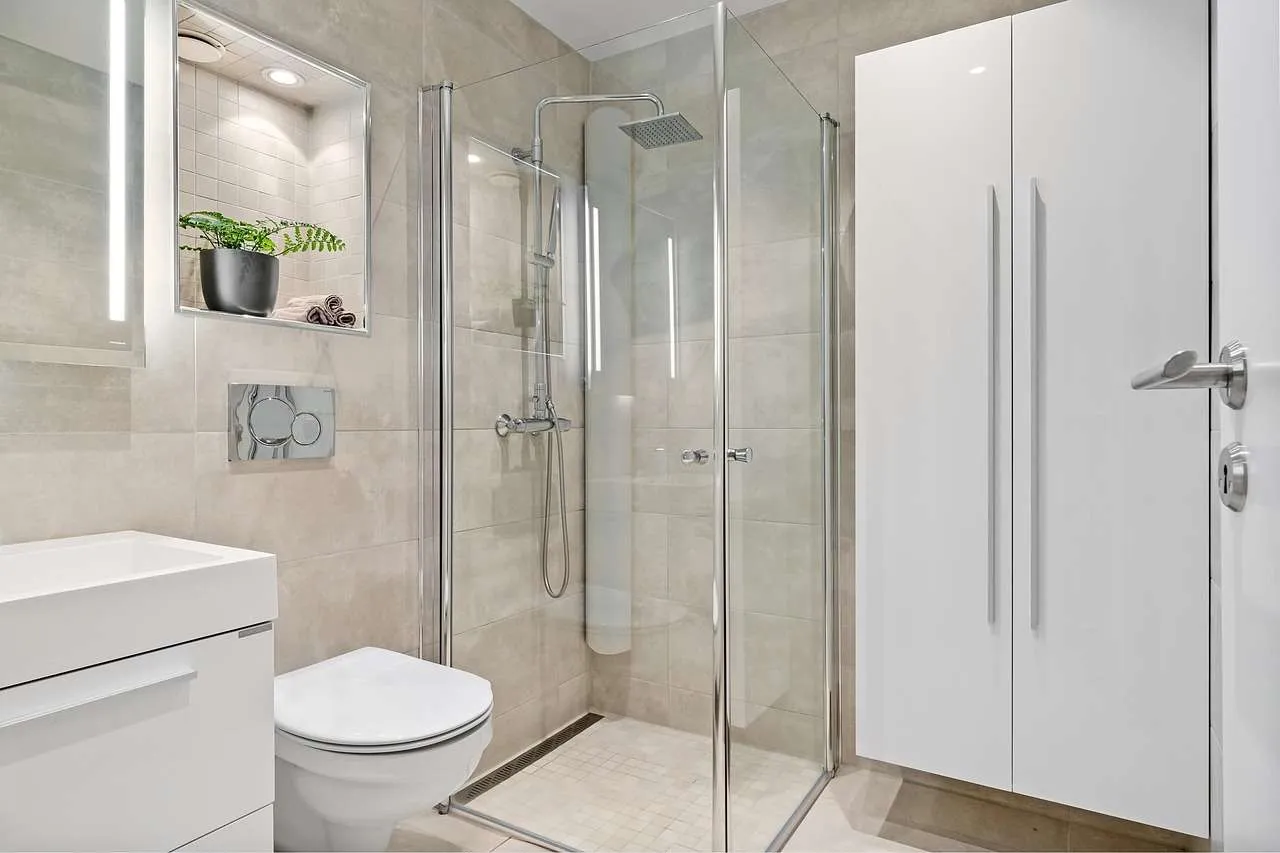
Tile design defines the room's mood. Light-toned tiles can make a compact bathroom feel airy, while dark hues create drama. Large-format tiles reduce the visual clutter of grout lines, creating a modern, seamless look, but require careful cutting around fixtures. For patterns, consider classic subway layouts for timeless appeal, or a herringbone or basket-weave pattern for visual interest. When mixing wall and floor tile, aim for a cohesive color family and vary texture rather than color to avoid a busy result. For a premium look on a mid-range budget, choose rectified porcelain with slim grout lines and a consistent palette across surfaces.
Durability, maintenance, and installation tips
In moisture-prone zones, select tiles with adequate slip resistance (R10 or higher for floors) and ensure proper moisture barriers behind walls and floors. A cementitious thin-set mortar with a waterproof membrane behind the tile is standard in showers and tub surrounds. Grout choice matters: epoxy grout offers superior stain resistance but can be harder to work with; cementitious grout is more forgiving and widely used. Seal natural stone and certain cementitious grouts as recommended by the manufacturer, and use pH-balanced cleaners to protect tile finishes and grout. Finally, hire a licensed contractor for structural and waterproofing work to avoid long-term damage and ensure code compliance.
Tile installation checklist
Before installation: verify measurements, plan layout to minimize cuts, select compatible substrates (cement backer board for floors, cementitious backer for walls), and prepare moisture barriers. During installation: maintain a level substrate, use appropriate mortar and trowels, and validate grout cure times. After installation: seal where required, cure fully before heavy use, and perform routine cleaning with recommended products. This planning reduces tile lippage, cracks, and grout staining over time.
Comparison table: tile types at a glance
| Tile Type | Pros | Cons | Best For |
|---|---|---|---|
| Ceramic | Affordable, wide range of colors; easy to cut | Less durable than porcelain; more susceptible to chipping | Walls, low-traffic bathrooms |
| Porcelain | Very durable; low water absorption; versatile finishes | Heavier; sometimes more expensive | Floors and wet areas; showers |
| Natural Stone | Timeless beauty; unique patterns | Requires sealing; higher maintenance | Statement spaces; accents |
| Glass | Reflects light; modern look | Slick in wet areas; higher cost | Backsplashes; accent walls |
| Vinyl Tile | Budget-friendly; easy install; comfortable underfoot | Less durable over time; not as long-lasting | Budget renovations; utility rooms |
Note: Always verify local building codes and consult a licensed contractor for installation details. Proper substrate preparation, moisture barriers, and crack prevention strategies extend tile life. When selecting tile, consider not just price but wear resistance, slip resistance, cleaning requirements, and the overall design coherence with fixtures and cabinetry.
Conclusion, a well-chosen bathroom tile plan aligns durability with design. By understanding material properties, considering foot traffic and moisture exposure, and following best-practice installation and maintenance, homeowners can achieve a bathroom that remains beautiful for years.