Small Bathroom Ideas: Space-Saving Design Guide
Introduction
Small bathroom ideas have the power to transform a tight footprint into a calm, efficient, and visually pleasing space. In this guide we share practical strategies grounded in experience from design professionals to help you maximize every inch. By focusing on layout, storage, lighting, and material choices, you can improve usability without sacrificing style.
Smart layout fundamentals
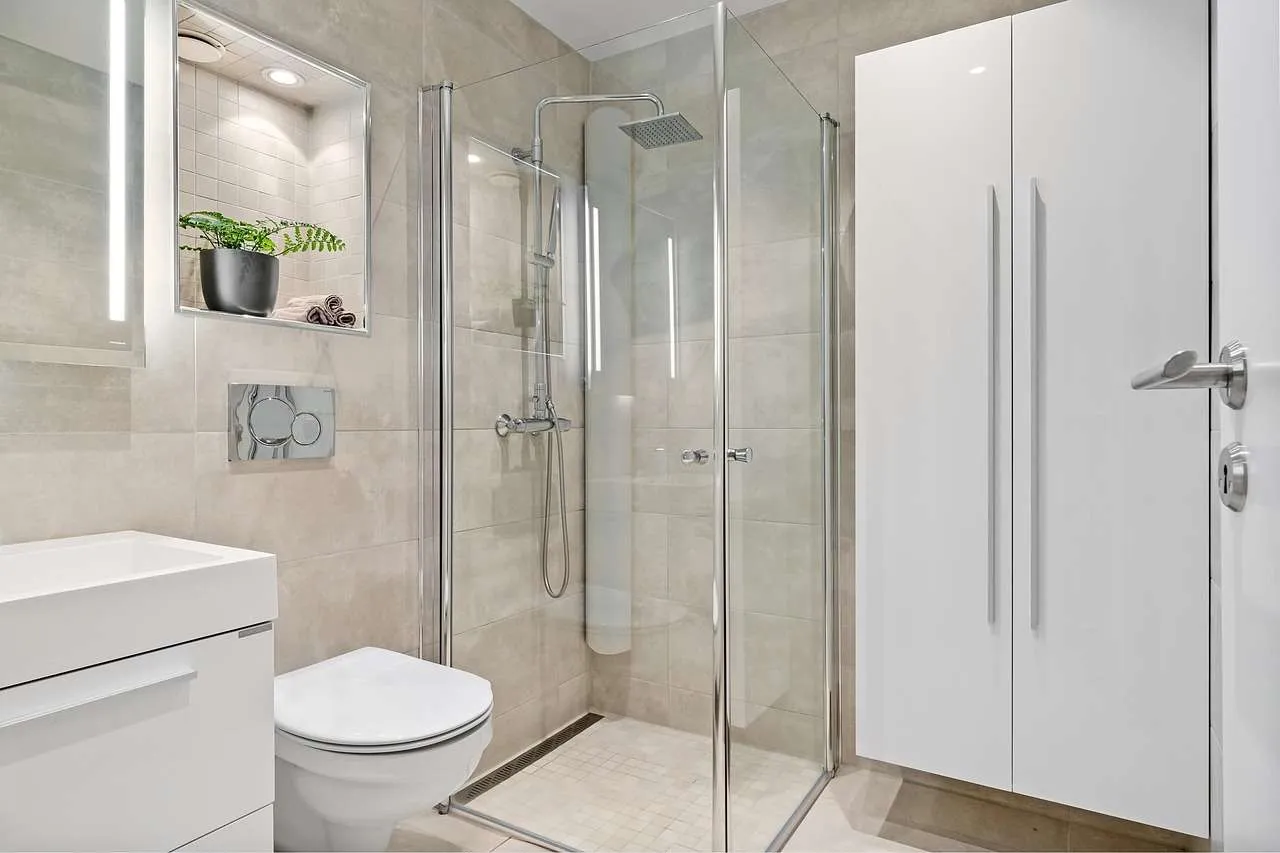
In a compact bathroom, layout is the first decision that determines comfort. Start with a simple plan that creates clear zones for washing, drying, and storage. Consider a corner shower or a compact tub to free floor space. Wall mounting toilets and vanities helps skim the visual floor area, making the room feel larger. If you can, install a pocket door or a sliding Barn door to eliminate door swing clearance needs. Small bathrooms benefit from uninterrupted wall lines, so avoid bulky freestanding furniture unless it is essential for storage.
Storage ideas that don’t crowd the room
Storage is the backbone of small bathroom ideas. Use recessed niches in the shower for shampoo, a mirrored medicine cabinet with built in lighting, and a slim vertical cabinet above the toilet. Opt a wall mounted vanity with open lower shelving for easy cleaning and air flow. Employ corner or over door organizers to reclaim dead space. Modern rail systems and magnetic holders also help in keeping daily essentials within reach without creating clutter.
Color, materials, and visual tricks
Color choice drives perceived space. Light neutrals and cool tones reflect more light and read as larger, especially when paired with reflective surfaces. Large format tiles reduce grout lines, creating a seamless look that visually expands the room. Use a consistent material story from floor to shower walls to minimize stops and starts for the eye. Glass shower doors, frameless enclosures, and polished chrome or brushed nickel finishes keep lines clean and open.
Fixtures and finishes that suit small spaces
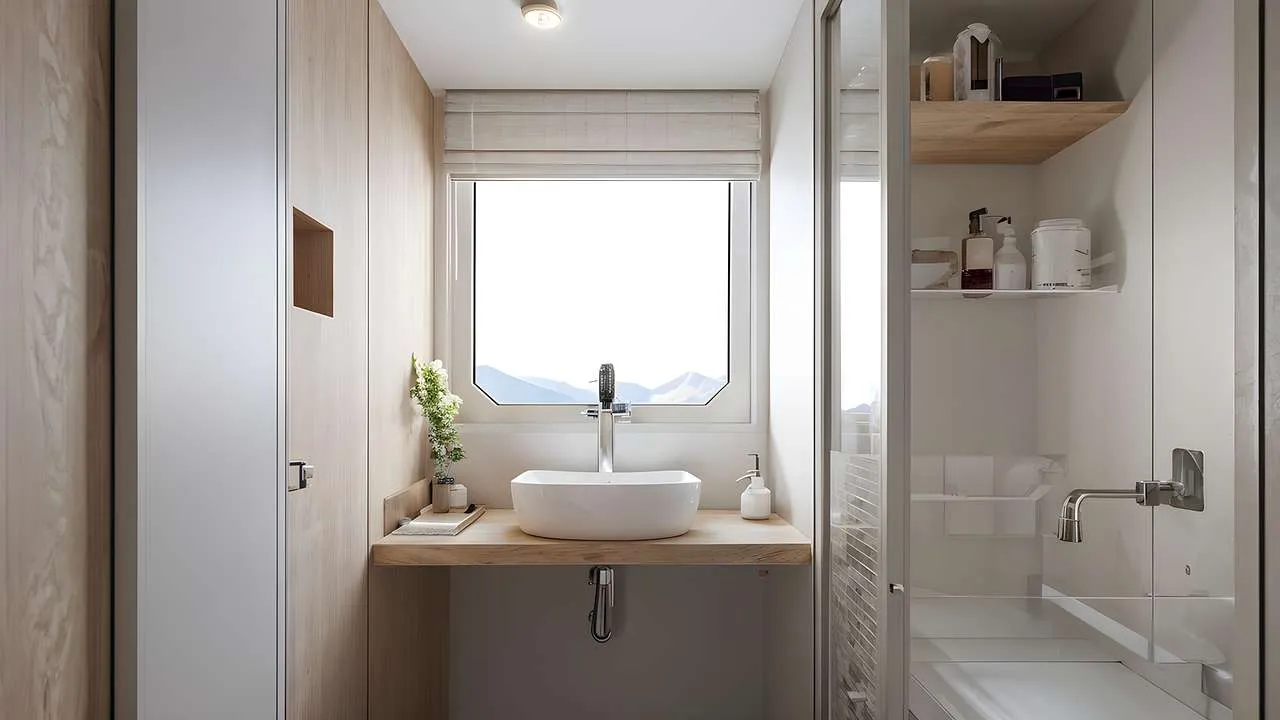
Choose compact fixtures designed for small bathrooms. Wall mounted sinks and toilets save floor space, while a shallow vanity with deep drawers provides practical storage without bulk. Consider a corner sink or a vessel sink with a slim profile if vanity space is limited. If you want a bathtub, opt for a 60 inch corner tub with a frameless glass divider to preserve openness. For showers, a curved or neo angle enclosure softens corners while maximizing usable shower area.
Lighting and ventilation
Layered lighting makes any space feel brighter and larger. Combine ambient ceiling lighting with task lighting near the mirror and a small recessed light in the shower niche. A lighted mirror doubles as a reflective surface and adds depth. Proper ventilation prevents moisture buildup that can shrink perceived space, so ensure a well rated exhaust fan and, if possible, a window that can be opened for fresh air.
Materials, finishes, and maintenance
Materials should be durable, water resistant, and easy to maintain. Porcelain or ceramic tiles with a low absorption rate, quartz countertops, and stone-look porcelains work well in small bathrooms. Matte finishes hide minor smudges, while glossy surfaces reflect more light. Consider anti slip floor options and sealed grout to reduce maintenance. Choose hardware with simple, clean lines for a timeless look that fits both contemporary and traditional styles.
Budget planning and professional help
Small bathroom renovations can be budget friendly if staged and planned. Start with a prioritized list of changes that deliver the most impact, such as a new vanity, efficient lighting, and a glass shower door. If plumbing or electrical work is involved, consult licensed professionals to ensure safety and code compliance. A phased approach can help manage costs while keeping you on track to achieve the desired outcome.
Layout and feature comparisons
| Option | Pros | Cons | Best For |
|---|---|---|---|
| Corner shower stall | Maximizes floor space; easier cleaning | No tub option; smaller wet area | Small footprints |
| Wall-hung vanity | Creates open floor feel; easier cleaning | Higher initial cost | Compact storage needs |
| Pocket door | No swing clearance; expands usable space | Complicated install | Tight layouts |
| Frameless glass shower | Visual openness; easy to clean | Higher price | Bright, airy feel |
Practical checklist for achieving small bathroom ideas
Before you begin, measure carefully, sketch your layouts, and list must have features. Source compact fixtures that fit your space and confirm access to plumbing and electrical lines. Create a color and material board to keep the design cohesive. Finally, plan a realistic timeline and budget, including a contingency for unseen issues.
Conclusion, by combining strategic layout choices, smart storage, light reflecting finishes, and careful budgeting, small bathroom ideas can deliver a space that feels larger, more functional, and genuinely inviting. The most effective upgrades focus on daily usability while maintaining a calm, cohesive aesthetic that stands the test of time. By treating your bathroom as a carefully designed micro-space, you can achieve a high impact result that meets both practical needs and personal style.
Summary: This guide highlights layout optimization, clever storage, lighting, material choices, and budget planning as the core pillars of effective small bathroom ideas. By implementing wall mounted fixtures, slim storage solutions, light color palettes, and a frameless shower, you can create a bright, efficient, and enduring bathroom that maximizes every square inch.